
KNUST Libraries has undertaken a benchmarking tour of four leading academic libraries in Ghana as part of efforts to strengthen innovation, technology integration and service excellence across its library system.
Led by the University Librarian, Dr. Richard Bruce Lamptey, the delegation visited the libraries of Ashesi University, Wisconsin International University College, the University of Ghana and the University of Cape Coast to explore best practices in research support, digital services, accessibility, scholarly communication and user-centred service delivery.
The tour began at Ashesi University Library, where the delegation examined the institution's technology-driven approach to library services. Key areas of interest included the use of Radio Frequency Identification (RFID) technology, extensive electronic resource collections, information literacy programmes and research support services. Discussions also focused on staff management practices and the strategic use of digital resources to enhance teaching and learning.
At Wisconsin International University College Library, the team explored the institution's transition from a traditional library to a user-centred academic resource hub. The delegation observed specialised Law and Nursing libraries, remote access services through the MyLoft platform and the integration of emerging technologies, including artificial intelligence, robotics, cybersecurity and digital forensics, into academic programmes.
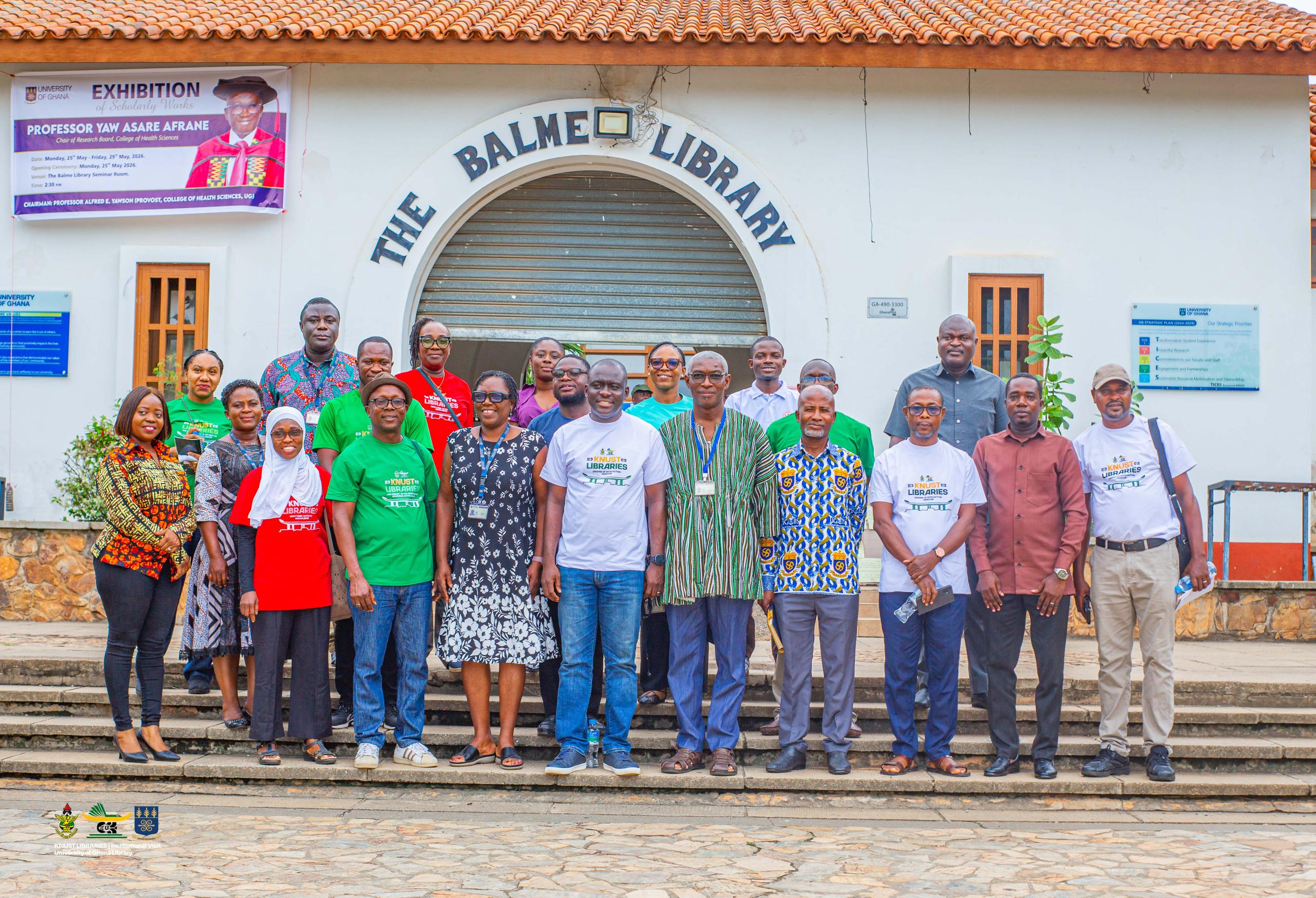
The visit to the University of Ghana's Balme Library provided insights into large-scale library operations and technology-enabled service delivery. The delegation learned about the library's digital infrastructure, institutional repository initiatives and research support systems, as well as innovative services such as Chat a Librarian and Article Request. The team also examined the library's work in scholarly communication, accessibility, data analytics and community engagement.
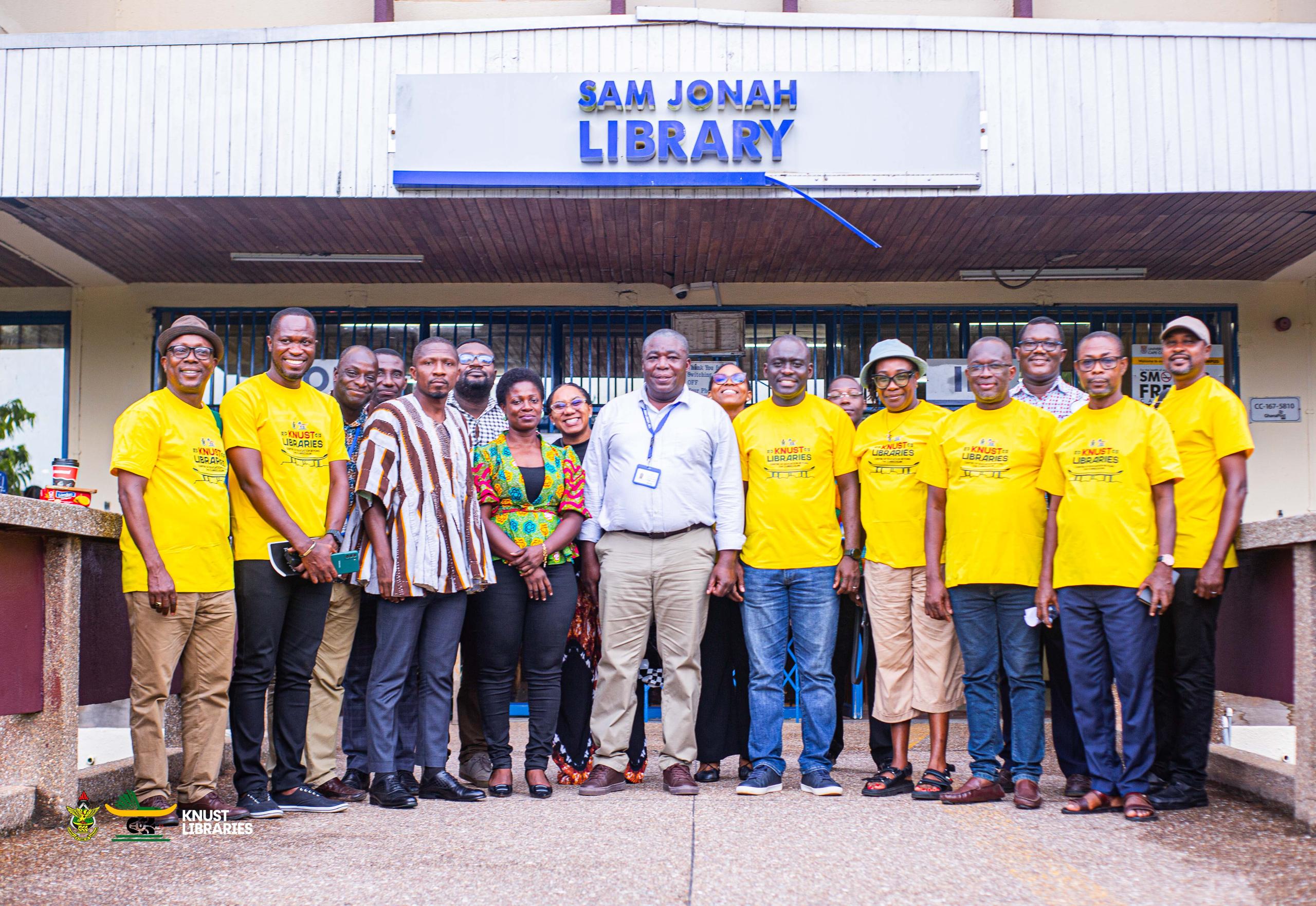
At the Sam Jonah Library of the University of Cape Coast, the delegation observed several initiatives designed to promote innovation and inclusivity. These included the Resource Centre for Alternative Media and Assistive Technology (RCAMAT), digitisation facilities, a Scholarly Communication Unit, Social Learning Commons and programmes aimed at increasing research visibility. The delegation also participated in an international virtual research forum on emerging trends in artificial intelligence, digital scholarship, immersive technologies and records management.
The tour highlighted several common trends across the institutions, including the growing integration of technology into library operations, increased emphasis on research visibility and scholarly communication, the development of collaborative learning spaces and the importance of strategic partnerships in advancing academic library services.
According to Dr. Richard Bruce Lamptey, the exercise provided valuable lessons that will inform ongoing efforts to improve service delivery and modernise library operations. Areas identified for possible adaptation include expanded remote access services, enhanced digitisation programmes, strengthened support for persons with disabilities, increased investment in research support services and greater use of emerging technologies.


